Top 5 Mistakes After Knee Replacement
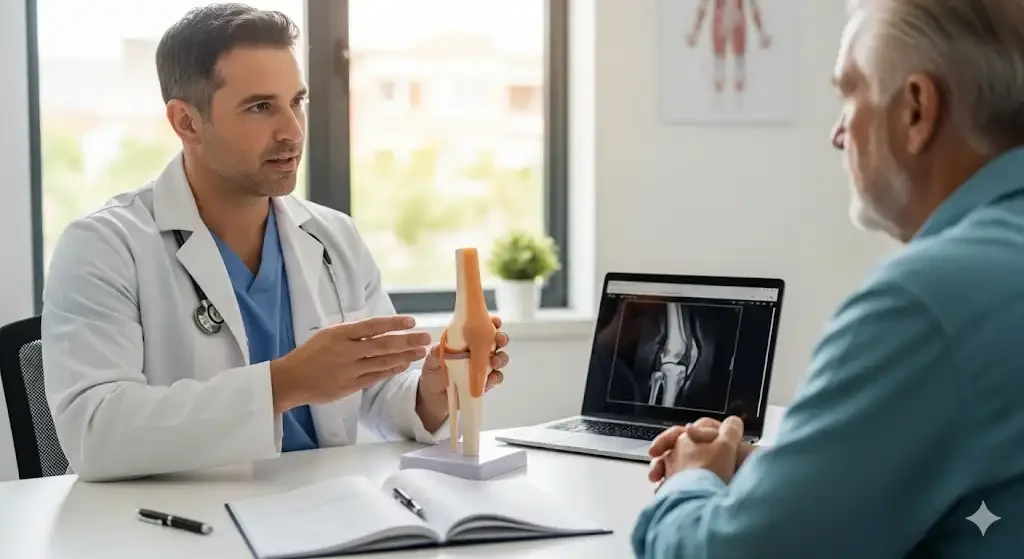
Getting a knee replacement can be life-changing, but what you do after surgery matters just as much as the procedure itself. Making the wrong moves during recovery can delay healing, increase pain and potentially affect your long-term results.
According to the Australian Commission on Safety and Quality in Health Care, over 53,500 Australians undergo knee replacement surgery each year. While the procedure has excellent success rates (in excess of 90%), recovery outcomes vary significantly based on how well patients follow post-operative guidelines. Understanding what not to do after knee replacement is crucial for a safe and speedy recovery.
Below are the top 5 mistakes after knee replacement that we see patients make and how to avoid them.
Quick Answer
Skipping physiotherapy is the most common mistake – it leads to stiffness and delayed recovery.
Poor pain management (either avoiding meds or over-relying on them) can create a cycle of limited movement and increased pain.
Returning to activities too soon risks damaging your new joint.
Ignoring post-op instructions like sleeping positions and movement guidelines can slow healing.
Missing follow-up appointments means complications may go undetected.
The Top 5 Mistakes After Knee Replacement
1. Skipping or Rushing Through Physiotherapy
The biggest mistake? Thinking physio is optional.
Your new knee needs to learn how to move properly again. Physical therapy isn't just about building strength – it's about preventing stiffness, restoring your range of motion and teaching your muscles how to support the joint.
Some patients skip sessions because they feel uncomfortable or think they're progressing well enough on their own. Others stop attending once the pain eases. Both approaches backfire.
Research shows that early physiotherapy after knee replacement improves function, reduces pain and can shorten hospital stays. If you skip sessions or don't do your home exercises, your knee can stiffen up quickly. Once that happens, you'll struggle to regain full movement.
What to do instead: Attend every physio session your surgeon recommends and do your daily exercises at home, even when you don't feel like it or it is uncomfortable. The discomfort during exercises is normal and usually eases as your knee warms up.
2. Not Managing Pain Properly
Managing post op pain is a balancing act. Take too little medication, and you won't be able to move or sleep comfortably. Take too much for too long, and you risk dependency or masking problems that need attention.
The most common mistake is waiting until pain becomes unbearable before seeking relief. By that point, you're already behind – struggling to sleep, avoiding movement and making recovery harder.
Sleep is when your body does most of its healing. If pain keeps waking you up, your recovery will be slower. Similarly, if you can't complete your physio exercises because of pain, you're setting yourself back.
What to do instead: Take pain medication as prescribed, not just when it gets bad. Taking relief 30 minutes before physio can help you get through your exercises. Work with your surgeon to adjust your pain management plan as you progress – you should be gradually reducing medication, not stopping it abruptly.
3. Doing the Wrong Exercises or Returning to Activities Too Soon
Feeling good a few weeks after surgery? That's great, but it doesn't mean you're ready to return to high-impact activities.
Common knee replacement exercises to avoid include running, jumping, heavy squatting and high-impact sports like basketball or netball. These activities put excessive stress on your artificial joint and can cause the implant to loosen or wear prematurely.
What to do instead: Stick to low-impact activities like walking, swimming and cycling on a stationary bike. Gradually increase your activity level based on your physio's guidance. If you want to return to golf, gardening or bushwalking, ask your surgeon when it's safe and what modifications you might need to make.
4. Ignoring Post-Operative Instructions (Especially Sleep Position)
One of the most common questions we hear: "Why no pillow under the knee after surgery?"
Here's the answer: Placing a pillow directly under your knee encourages it to stay bent, which can lead to a flexion contracture. This means your knee heals in a slightly bent position and you lose the ability to fully straighten it, a condition that's virtually impossible to reverse.
Full knee extension (straightening) is essential for normal walking, standing and movement. Keeping your knee propped up in a bent position for extended periods encourages scar tissue formation and limits your range of motion.
What to do instead: When elevating your leg, place pillows under your ankle, not directly under the knee. This keeps your leg elevated (reducing swelling) while allowing your knee to remain straight. Your surgeon may also recommend gentle stretches to maintain extension, especially in the early weeks.
Other common mistakes include:
Sitting with crossed legs (puts pressure on the joint)
Sitting on low chairs or sofas (makes it hard to stand without straining the knee)
Wearing thongs or unsupportive footwear (increases fall risk)
5. Missing Follow-Up Appointments
You might feel fine at home, but that doesn't mean everything is healing perfectly.
Follow-up appointments enable your surgeon to monitor your progress, check for early signs of infection or complications, such as stiffness, and adjust your recovery plan as needed. Imaging and physical examination can reveal issues that are not yet obvious, such as implant positioning problems, excessive inflammation, or delayed healing.
Skipping these appointments removes a vital safety net. Even minor issues caught early can be managed easily, but left undetected, they can become serious complications.
What to do instead: Treat follow-up appointments as non-negotiable. Contact our Melbourne knee specialists right away if you notice sudden swelling, increased pain, fever, redness around the incision or difficulty moving your leg.
What About Permanent Restrictions After Knee Replacement?
Most patients return to their normal activities within 3–6 months, but there are some permanent restrictions after knee replacement that you should be aware of.
High-impact activities like running, jumping, sports and heavy weightlifting aren't recommended long-term as they can accelerate wear on your artificial joint. Kneeling is often uncomfortable (though not impossible) due to the way the implant sits under the skin.
However, you can still enjoy:
Bushwalking and hiking on even terrain
Swimming and water aerobics
Golf and tennis
Cycling
Gym work with appropriate modifications
Your surgeon will give you personalised advice based on your specific implant type and activity goals.
Wondering which type of procedure is right for you? Read our article on partial vs full knee replacement to understand your options.
How to Avoid These Mistakes
Recovery doesn't have to be complicated. Here's what works:
Stay consistent with physio. Even on days when you feel tired or sore, do your exercises. Consistency beats intensity every time.
Follow the guidelines. Sleep position, activity restrictions and wound care. These aren't suggestions. They're based on what works best for the majority of patients.
Be patient. Recovery is measured in weeks and months, not days. Pushing too hard, too soon is one of the most common ways patients set themselves back.
If you're considering knee replacement surgery in Melbourne or want to discuss knee replacement expectations, our team can help. We also offer robotic knee replacement for enhanced precision and potentially faster recovery. Dr Sime is rated among the best knee replacement surgeons in Melbourne.
FAQs – Knee Replacement Exercises To Avoid
What are the top 5 mistakes after knee replacement?
The most common mistakes are skipping physiotherapy, poor pain management, doing high-impact exercises too soon, ignoring sleep position guidelines (like placing a pillow under the knee), and missing follow-up appointments.
Why can't I put a pillow under my knee after surgery?
Placing a pillow directly under your knee keeps it bent, which can lead to flexion contracture – a condition where your knee heals in a bent position and loses full extension. This affects your ability to walk and move normally. Instead, place pillows under your ankle.
What exercises should I avoid after knee replacement?
Avoid high-impact activities like running, jumping, heavy squatting and contact sports. These can put excessive stress on your artificial joint. Stick to low-impact exercises like walking, swimming and stationary cycling. Always get clearance from your surgeon before returning to more demanding activities.
Are there permanent restrictions after knee replacement?
Most patients can return to normal daily activities, but high-impact sports and heavy lifting aren't recommended long-term as they can accelerate implant wear. Kneeling may be uncomfortable. However, you can still enjoy activities like bushwalking, golf, swimming and cycling with your surgeon's guidance.