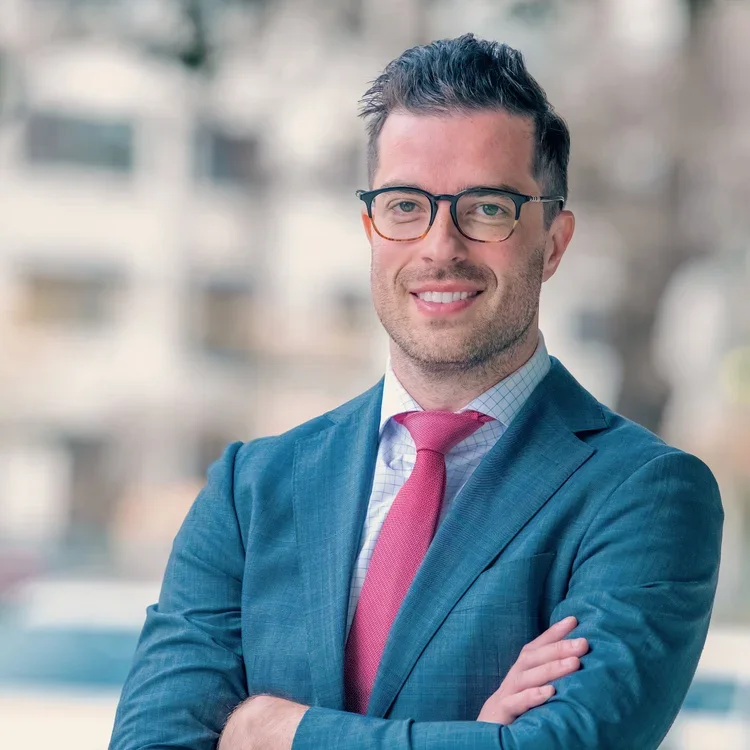
Dr David Sime Joins International Faculty at Knee Ligament Workshop in Bangkok
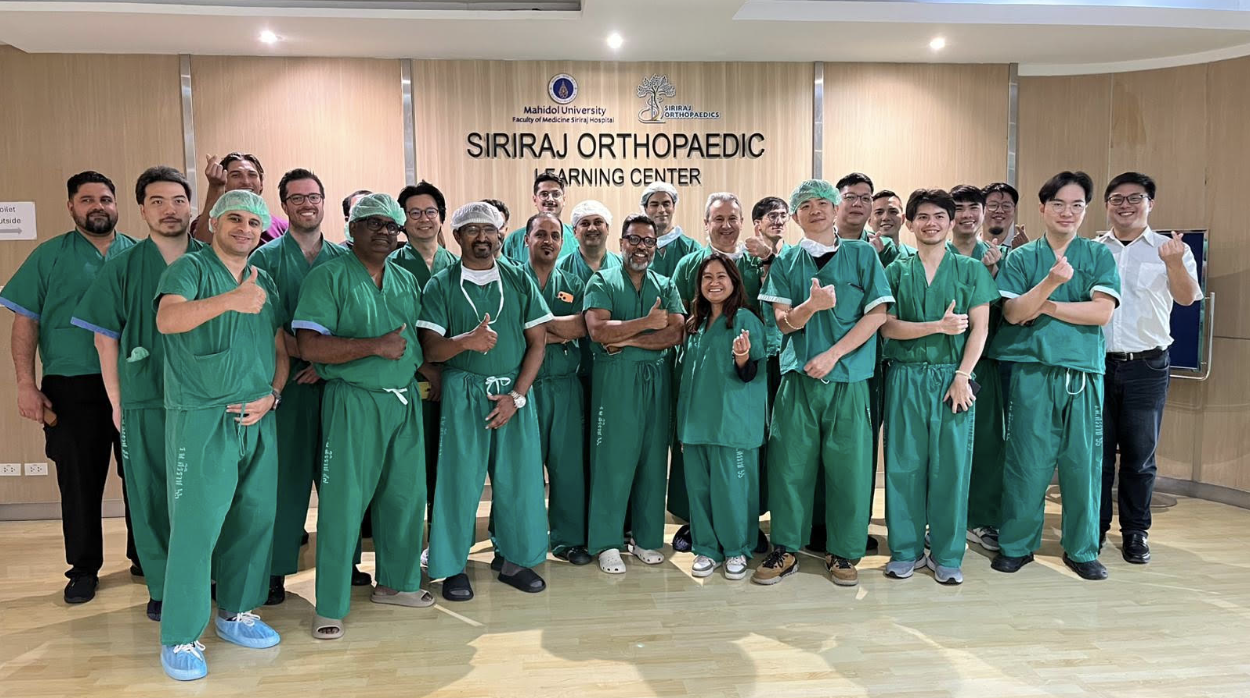
In November 2025, Melbourne orthopaedic surgeon Dr David Sime was invited to join the international faculty of a two-day surgical workshop at Siriraj Hospital in Bangkok, Thailand's oldest and largest public hospital, teaching complex knee ligament reconstruction to 40 surgeons from seven countries.
The workshop was held on 27 and 28 November, sponsored by orthopaedic device company Movmedix in collaboration with Device Technologies Asia. It combined a lecture series and clinical case discussions with hands-on cadaver lab stations.
An International Faculty Role
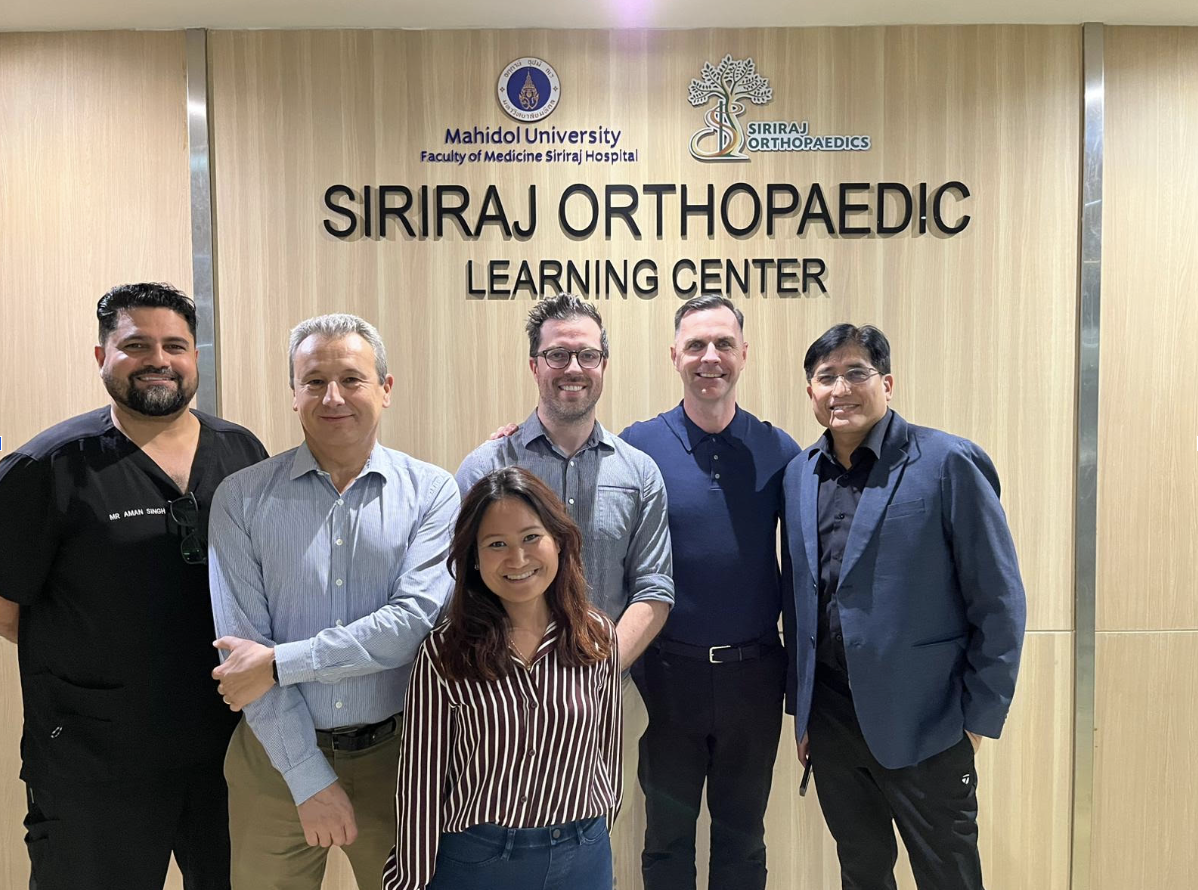
Surgeons attended from the United Arab Emirates, India, Thailand, Vietnam, China, Saudi Arabia and Singapore. Dr Sime taught alongside fellow Australian surgeon Dr Aman Singh. This was a repeat faculty invitation, part of an ongoing international teaching commitment that continues with a knee surgery presentation in Prague.
"Teaching is an important part of my role because it allows me to share practical surgical experience while also learning from other surgeons and their different approaches. These international courses provide a great opportunity to demonstrate new techniques in a hands-on cadaver setting, exchange ideas and help surgeons develop greater confidence in managing complex knee ligament injuries." Dr David Sime
Teaching Complex Knee Ligament Reconstruction
The program focused on some of the more technically demanding procedures in sports knee surgery. Over the two days, Dr Sime taught four areas of ligament reconstruction:
ACL reconstruction. Although the anterior cruciate ligament is the most commonly reconstructed knee ligament, results depend on decisions made at every step: graft selection, precise tunnel positioning and restoring the knee's normal stability and rotational control. Small technical differences influence how well the reconstructed knee performs, which is why technique refinement remains a major focus of surgical education worldwide.
PCL reconstruction. The posterior cruciate ligament is injured far less often than the ACL, so fewer surgeons accumulate significant experience with its reconstruction. Its position at the back of the knee and its biomechanical role make graft placement and tensioning more technically challenging, and structured hands-on training is one of the few ways surgeons can build confidence with the procedure.
Posterolateral corner reconstruction. The posterolateral corner is a group of structures stabilising the outer and back portion of the knee. It is frequently injured alongside the cruciate ligaments, and if it isn't recognised and addressed it can compromise the stability of an otherwise well-performed ACL or PCL reconstruction. Identifying and treating these combined patterns is a defining skill in complex knee surgery.
Multiligament reconstruction. Multiligament injuries, including knee dislocations, involve damage to more than one of the structures responsible for knee stability. Rather than treating each ligament in isolation, the surgeon must assess the overall pattern of instability and plan the sequence and combination of reconstructions accordingly. These are among the most complex decisions in knee surgery, and were a central focus of the Bangkok program.
Why Cadaver-Based Training Matters
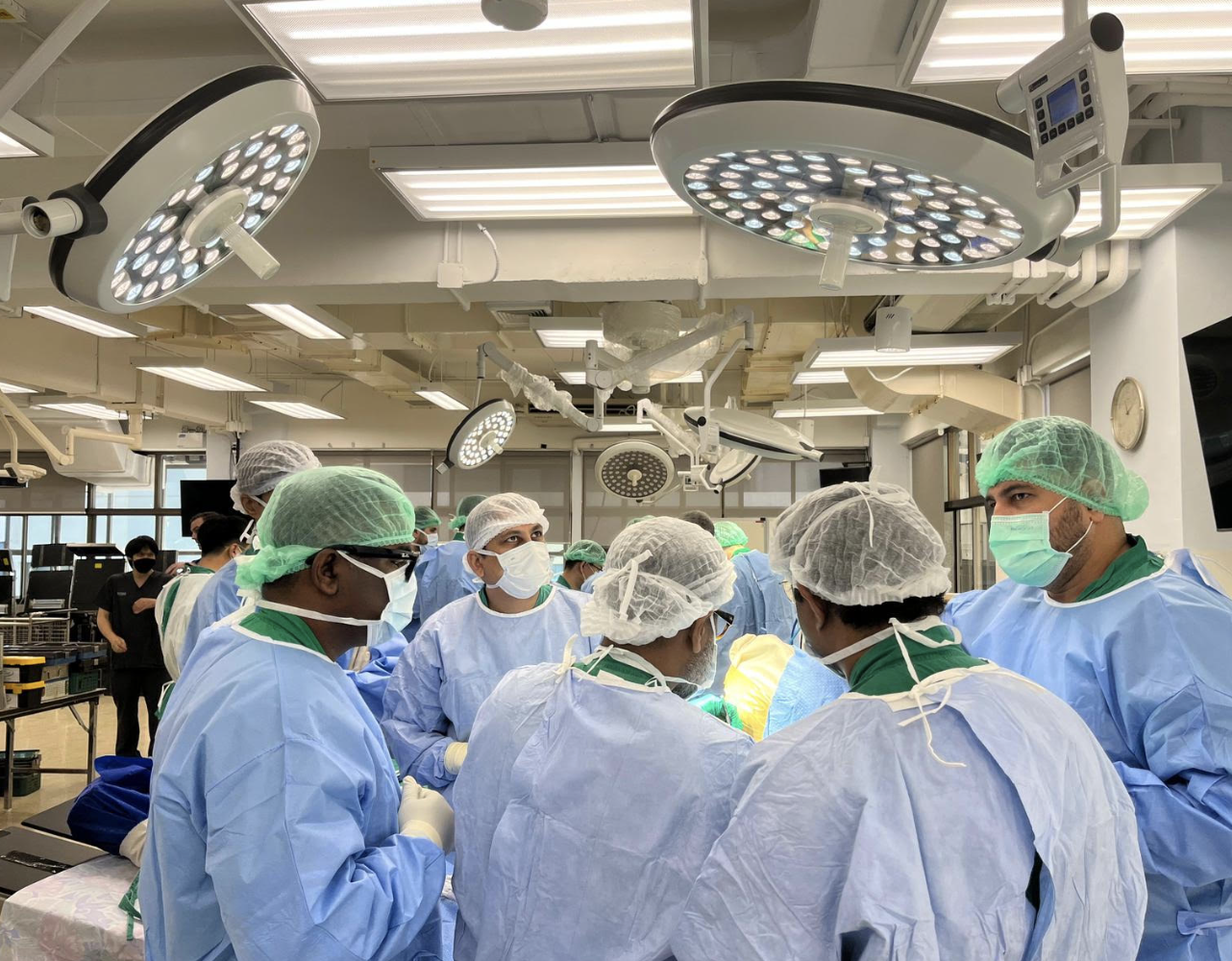
Cadaver lab workshops allow qualified surgeons to practise operative techniques on donated human specimens in a controlled environment before applying them in clinical practice. Attendees can work through each surgical step at their own pace, ask questions of faculty in real time and repeat techniques until they are confident.
What This Means for Patients
Teaching other surgeons requires Dr Sime to critically evaluate surgical techniques, review current evidence and explain the reasoning behind different approaches.
"Teaching keeps my own practice at the cutting edge by requiring me to critically evaluate new techniques and evidence, exchange ideas with other surgeons and continually refine the way I treat my patients."
Dr David Sime
That ongoing engagement with surgical education forms part of his approach to sports knee surgery in Melbourne, alongside active membership of international societies including ESSKA and ISAKOS.
Complex Knee Ligament Injuries: Common Questions
What is a multiligament knee injury?
An injury involving more than one of the structures responsible for knee stability, for example the ACL together with the PCL, MCL or posterolateral corner. They can occur after sporting injuries, knee dislocations or significant trauma.
When might ACL and PCL injuries occur together?
Combined ACL and PCL injuries typically follow higher-energy events such as knee dislocations, motor vehicle accidents or severe sporting collisions. Because both cruciate ligaments are involved, careful assessment of the whole knee is needed before planning treatment.
What is posterolateral corner reconstruction?
Surgery to restore the structures that stabilise the outer and back portion of the knee. The posterolateral corner is often injured alongside the cruciate ligaments, and addressing it can be important to the stability of the knee overall.
Does every multiligament knee injury require surgery?
No. Treatment depends on the specific ligaments involved, the degree of instability, imaging findings and the individual patient. Some injuries are managed with bracing and rehabilitation; others benefit from reconstruction of one or more ligaments.
Who treats complex knee ligament injuries in Melbourne?
Dr David Sime is a Melbourne orthopaedic surgeon who sub-specialises in sports knee surgery, including ACL, PCL and multiligament reconstruction. He consults across central, south-eastern and Mornington Peninsula Melbourne. Treatment depends on the nature and severity of the individual injury, so a specialist assessment is required to determine the appropriate approach.Book a consultation.
Treatment for knee ligament injuries varies depending on the individual injury, symptoms, imaging findings and overall health. A specialist assessment is required to determine the appropriate treatment for your circumstances.